
Freehold Locksmith provides professional locksmith services in South Street District and the surrounding areas. Our trained technicians are available when you need us.
Locksmith in South Street District
Freehold Locksmith is your trusted locksmith provider in South Street District.
Our Services
We offer comprehensive locksmith services for residential and commercial customers.
Why Choose Us
- Trained professionals
- Fast response times
- 24/7 availability
- Local expertise
Contact Us
Call for expert locksmith services in South Street District.
All Locksmith Services
Here are just some of the ways that we can serve you today.
Residential Services
Complete residential locksmith services in South Street District.
Commercial Services
Professional commercial locksmith for businesses in South Street District.
Emergency Services
24/7 emergency locksmith available throughout South Street District.
You Can Verify Our Work
Our team of trained professionals takes pride in serving the South Street District community with reliable, high-quality service.
Frequently Asked Questions
Contact Freehold Locksmith today for professional locksmith services in South Street District.
South Street District, NJ - A Historic Corridor with Creative Energy and Deep Cultural Roots
South Street District is a lively historic corridor known for its layered past, walkable streets, and constantly active public life. Centered on South Street, this area has long stood out as a place where commerce, entertainment, and community meet. From its origins in William Penn's 1680s street grid to its role as a major African American cultural hub in the early 20th century, the district remains significant for its history, distinctive architecture, and eclectic neighborhood character.
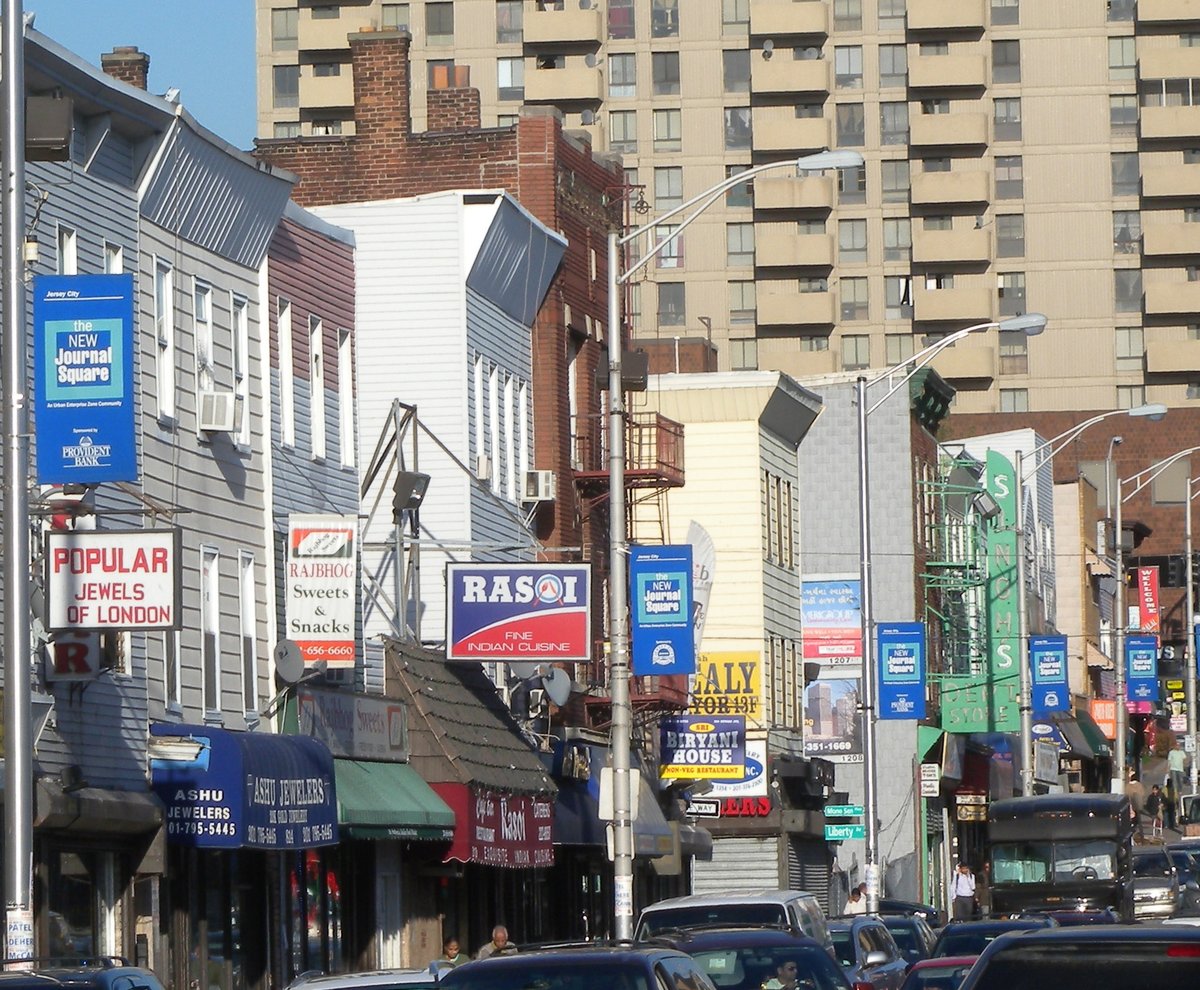
Source : en.wikipedia.org
Key Facts About South Street District, NJ
Part of William Penn's Original Street Plan
South Street was once known as Cedar Street and formed part of William Penn's original 1680s grid, linking the district to one of the earliest phases of urban planning in the region.
Historic African American Cultural Center
In the late 19th and early 20th centuries, the area became a major hub for African American life, with churches, restaurants, cabarets, and community spaces flourishing along the corridor.
Black-Owned Theaters Opened in the 1910s
Several Black-owned theaters opened on the western stretch of South Street during the 1910s, reinforcing the district's importance as a center of performance, nightlife, and cultural expression.
Home to Headhouse Square
Headhouse Square is one of the district's best-known landmarks, anchored by the historic Shambles building and a distinctive market-era streetscape that reflects the neighborhood's long commercial history.
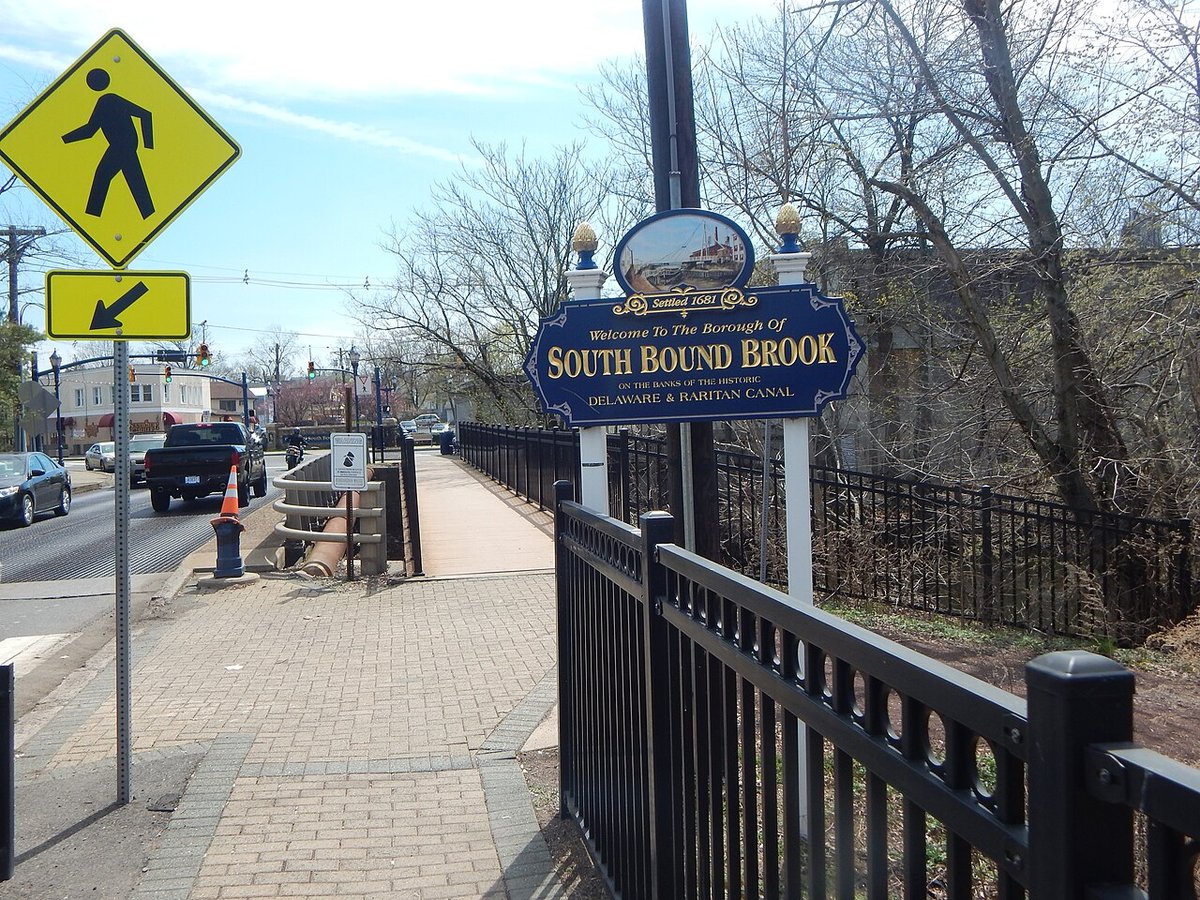
Source : ru.wikipedia.org
A Commercial Corridor with Dense Urban Character
The South Street Headhouse District includes hundreds of unique storefronts and historic buildings, creating a tightly knit streetscape that feels busy, layered, and unmistakably urban.
Known for Eclectic Architecture and Storefront Design
Walking along South Street reveals a mix of older rowhouses, corner buildings, narrow facades, and adapted commercial structures that give the district its visually varied and recognizable identity.
Close to Seger Park and Mario Lanza Park
Nearby green spaces such as Seger Park and Mario Lanza Park add recreational value to the area and offer a contrast to the dense commercial blocks that define the corridor.
Near Major Civic and Educational Landmarks
The district sits within reach of notable institutions and historic sites including the Philadelphia High School for the Creative and Performing Arts and the broader Society Hill and Queen Village surroundings, which help frame its cultural and architectural context.
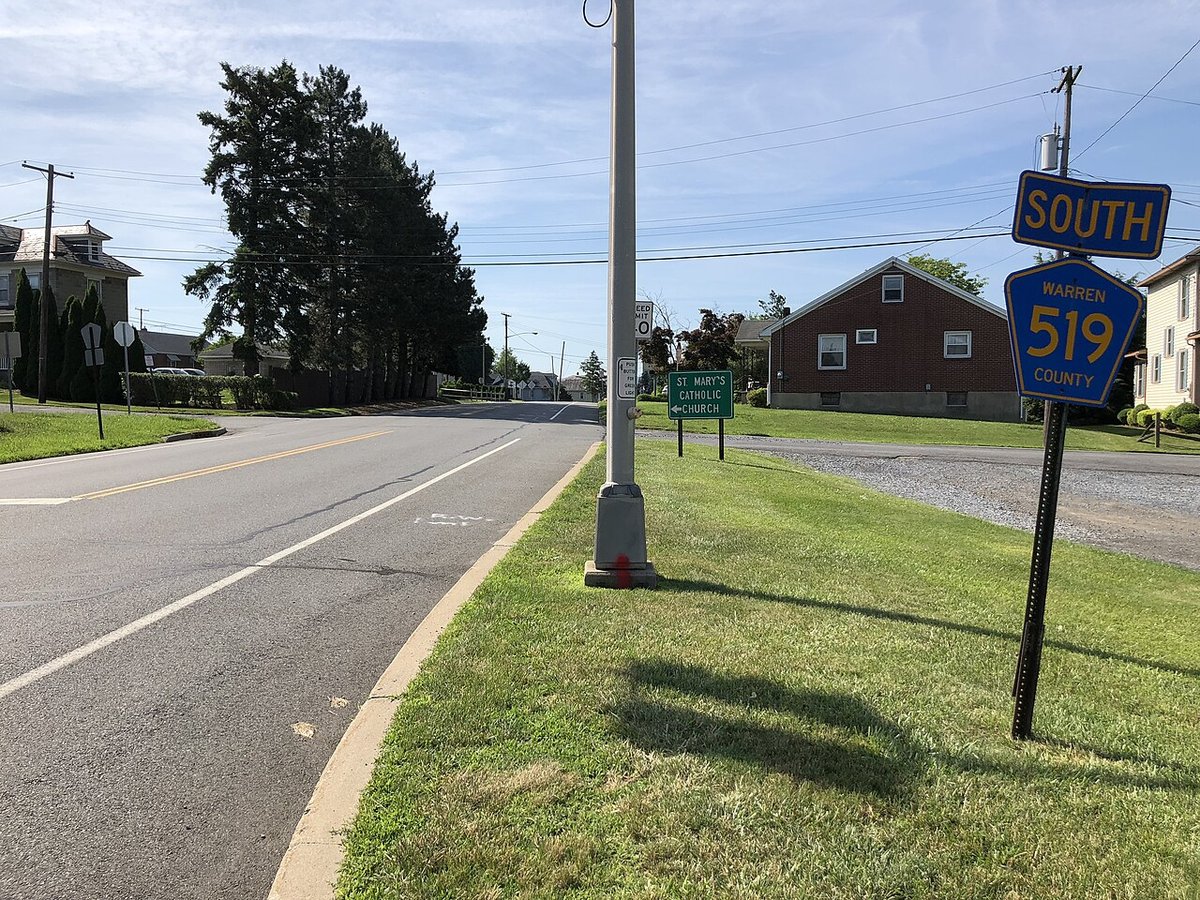
Source : ar.wikipedia.org
Why South Street District Continues to Stand Out
South Street District stands out because it combines historical depth with a strong sense of street life. Its roots in early city planning, its role as an African American entertainment and community center, and its enduring commercial energy all give the area a character that feels both local and widely recognized.
Landmarks like Headhouse Square, the legacy of Black-owned theaters, and the corridor's tightly packed historic buildings make this district more than just a busy destination. It remains a place where architecture, public space, and cultural memory all come together in a way that feels vivid and lasting.